Search
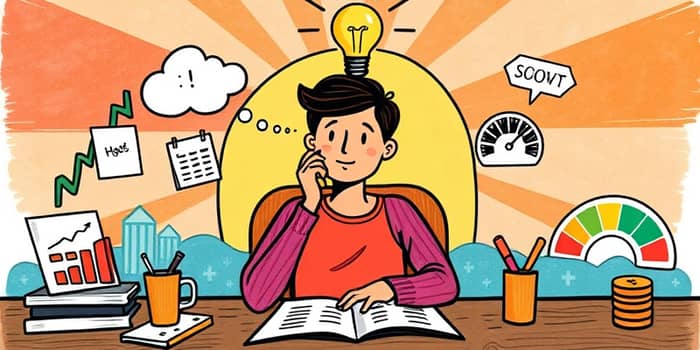
Personal loans, when used wisely, can be transformative tools that empower you to tackle debt, seize opportunities, and strengthen your financial foundation. This playbook provides actionable insights to help you borrow strategically, manage repayment, and unlock your path to lasting stability.
Personal loans are installment lending products that provide a lump sum for almost any purpose—debt consolidation, home improvements, education, or major life events. Unlike revolving credit, you receive funds upfront and repay over a fixed term with predictable installments.
There are two main categories: unsecured and secured loans. Secured loans require collateral such as a savings account or certificate of deposit, often yielding lower rates. Unsecured loans depend solely on your creditworthiness, making them accessible without risking assets.
A specialized option, passbook or savings-secured loans, uses your deposit account as collateral to offer rates as low as 3% APR. Choosing between options hinges on your credit profile, cost tolerance, and financial goals.
Selecting the right purpose amplifies benefits. A personal loan can serve as a powerful instrument when aligned with clear objectives and a disciplined repayment plan.
Smart use of personal loans can directly enhance key credit metrics. Payment history accounts for 35% of most scoring models, so timely installments are critical.
Reducing revolving balances through loan funding can lower your credit utilization ratio, ideally keeping it under 30% of your total limit. This shift from revolving to installment debt often yields an immediate positive impact.
Adding a long-term installment account diversifies your credit mix, which comprises 10% of your score. A healthy variety of credit types signals responsibility to lenders.
Note: Ensure the lender reports your payment activity to all three major bureaus. Without reporting, you forfeit potential credit-building gains.
Before you apply, conduct a thorough pre-loan assessment to align borrowing with needs and capabilities.
Once approved, implement these best practices for smooth repayment:
• Set up automatic payments to guarantee on-time activity.
• Monitor your credit score monthly to track improvements or address issues.
• Resist applying for new credit lines during repayment.
• Maintain a small emergency fund to avoid rolling unexpected costs into your loan.
Compared to credit cards and lines of credit, personal loans generally offer fixed monthly payments simplify budgeting and often lower rates. You can access up to $100,000 with terms up to 60 months, tailoring repayment to your timeline.
Beyond cost-effectiveness, personal loans deliver quick funding—often within one business day—and a predictable repayment schedule reduces uncertainty, allowing you to plan for future milestones.
Even advantageous products carry risks. A secured loan uses savings as collateral, and missed payments can result in loss of funds.
Personal loans represent more than just cash—they are levers you can pull to consolidate debt, invest in your goals, and strengthen credit. By following this playbook—assessing needs, comparing offers, and executing disciplined repayment—you chart a course toward lasting financial health. Embrace strategic borrowing, maintain on-time payments, and prioritize setting clear financial goals with deadlines to unlock the freedom and confidence that come with responsible credit management.
References